This AI-generated translation is currently being refined.
DRILL ALLERGIE CETIRIZINE is indicated for adults and children 6 years of age and older, · for the treatment of nasal and ocular symptoms of seasonal or perennial allergic rhinitis · for the treatment of symptoms of chronic urticaria (chronic idiopathic urticaria) after a diagnosis has been made by a doctor. You should consult your doctor if you do not experience any improvement or if your symptoms worsen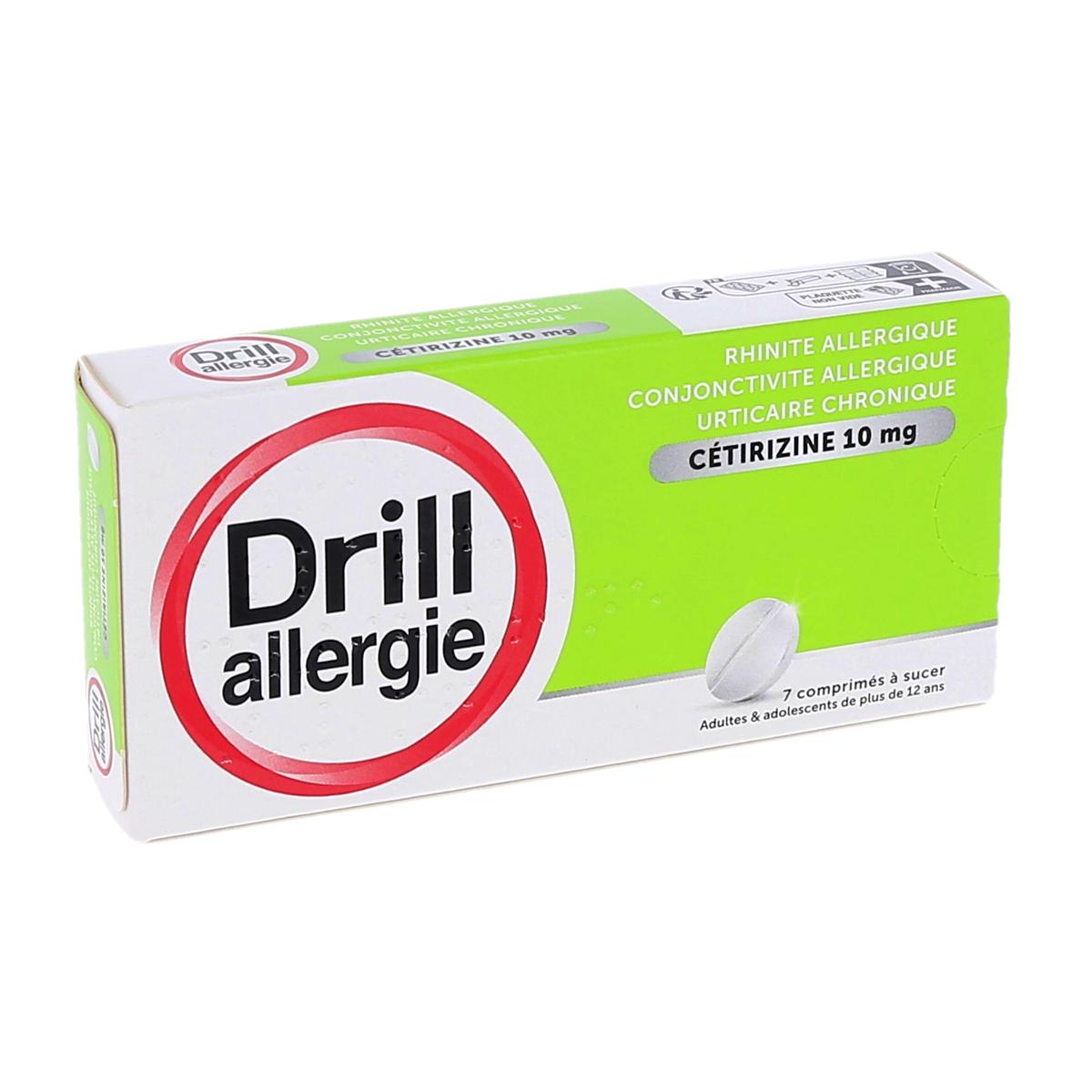
Medicine
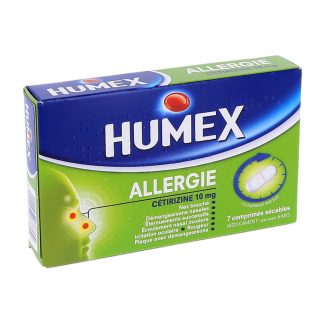
Drill Allergy Cetirizine 10 mg, Adults and adolescents 12 years and older, box of 7 lozenges
1 box of 7 lozenges
4,95€
In stockThis is a medicine. Information on precautions for use (drug interactions, contraindications, special warnings, adverse reactions...) and dosage are detailed in the summary of product characteristics.
In accordance with current regulations, any suspected adverse effect of a medication must be reported: Een bijwerking melden. .
Adults and adolescents over 12 years of age: 10 mg once daily (one tablet).
Children ages 6 to 12: 5 mg twice daily (half a tablet twice daily).
DRILL ALLERGIE CETIRIZINE lozenges are not indicated for children under 6 years of age due to the risk of choking on the tablets in young children and because this medication does not allow for the dosage adjustments necessary for this age group. It is recommended to use a pediatric formulation of cetirizine.
Allow the tablet to melt on the tongue until it dissolves. The tablet may be dissolved in a small amount of water. Read the package insert carefully before use.
Pregnancy:
Prospective data collected on pregnancy outcomes in women exposed to cetirizine do not suggest a higher risk of maternal or embryo-fetal toxicity than in the general population.
Animal studies have not revealed any direct or indirect adverse effects on pregnancy, embryonic and fetal development, parturition, or postnatal development.
Caution is advised when prescribing this medication to pregnant women.
Breastfeeding:
Cetirizine is excreted into human breast milk at concentrations ranging from 25% to 90% of those measured in plasma, depending on the time of sampling relative to administration. A risk of adverse effects in breastfed infants cannot be ruled out. Therefore, caution is recommended when prescribing cetirizine to breastfeeding women.
Fertility:
Data on human fertility are limited, but no risk has been identified.
Animal data do not indicate any safety concerns regarding human reproduction.
Children ages 6 to 12: 5 mg twice daily (half a tablet twice daily).
DRILL ALLERGIE CETIRIZINE lozenges are not indicated for children under 6 years of age due to the risk of choking on the tablets in young children and because this medication does not allow for the dosage adjustments necessary for this age group. It is recommended to use a pediatric formulation of cetirizine.
Allow the tablet to melt on the tongue until it dissolves. The tablet may be dissolved in a small amount of water. Read the package insert carefully before use.
Pregnancy:
Prospective data collected on pregnancy outcomes in women exposed to cetirizine do not suggest a higher risk of maternal or embryo-fetal toxicity than in the general population.
Animal studies have not revealed any direct or indirect adverse effects on pregnancy, embryonic and fetal development, parturition, or postnatal development.
Caution is advised when prescribing this medication to pregnant women.
Breastfeeding:
Cetirizine is excreted into human breast milk at concentrations ranging from 25% to 90% of those measured in plasma, depending on the time of sampling relative to administration. A risk of adverse effects in breastfed infants cannot be ruled out. Therefore, caution is recommended when prescribing cetirizine to breastfeeding women.
Fertility:
Data on human fertility are limited, but no risk has been identified.
Animal data do not indicate any safety concerns regarding human reproduction.
How can you manage your allergies to pollen or other substances?
- Ventilate wisely: Open your windows only before sunrise or after sunset, when pollen levels are at their lowest.
- Rinse off: Take a shower and wash your hair in the evening to avoid leaving allergens on your pillow.
- Protect your eyes and nose: wear sunglasses outdoors and use saline solution to clean your mucous membranes.
- Wet cleaning: Use a vacuum cleaner and a damp mop instead of a broom to avoid stirring up allergenic dust. Avoid drying laundry outdoors, as pollen and other allergens stick to damp fabrics.
- Ventilate wisely: Open your windows only before sunrise or after sunset, when pollen levels are at their lowest.
- Rinse off: Take a shower and wash your hair in the evening to avoid leaving allergens on your pillow.
- Protect your eyes and nose: wear sunglasses outdoors and use saline solution to clean your mucous membranes.
- Wet cleaning: Use a vacuum cleaner and a damp mop instead of a broom to avoid stirring up allergenic dust. Avoid drying laundry outdoors, as pollen and other allergens stick to damp fabrics.
Chaque comprimé à sucer contient : Dichlorhydrate de cétirizine 10 mg.
Excipient à effet notoire : glucose issu des excipients Bétadex et maltodextrine. Pour la liste complète des excipients, voir la notice.
Le comprimé peut être divisé en doses égales.
Excipient à effet notoire : glucose issu des excipients Bétadex et maltodextrine. Pour la liste complète des excipients, voir la notice.
Le comprimé peut être divisé en doses égales.

 Log in